Choose a base by asking what it makes possible. A room’s appearance tells you little about the time needed to reach an activity, the transfer that begins your stay, or the meals and transport included. Put the exact location and daily arrangements at the top of a shortlist; the rest becomes easier to compare.
Botswana includes capital-city stays, town bases and remote landscape settings. Gaborone is the capital. Maun and Kasane have different regional roles and should not be treated as interchangeable starting points. Check each journey on its own terms, especially when an itinerary combines more than one part of the country.
Make a shortlist that compares like with like
For every option, write the full address or mapped location, arrival method, included services and planned activities. Read the provider’s current description rather than inferring details from a photograph. Ask questions when an inclusion is unclear. A quoted stay with transfers and meals may cover a different set of needs from a room-only town booking.
| Setting | Useful focus | Question to resolve |
|---|---|---|
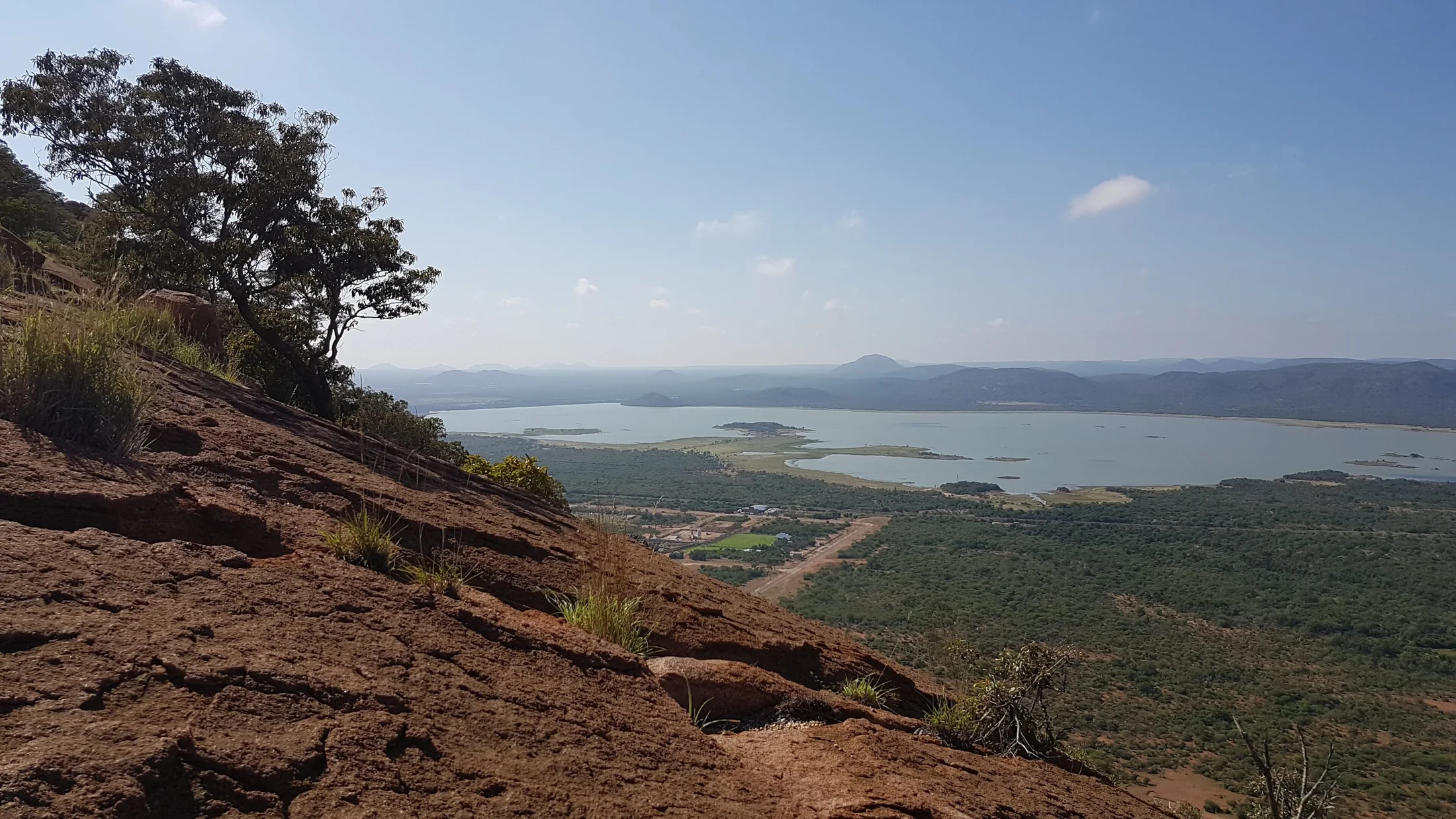
| Gaborone | City visits and southern context | How do the places you want to visit connect with your accommodation? |
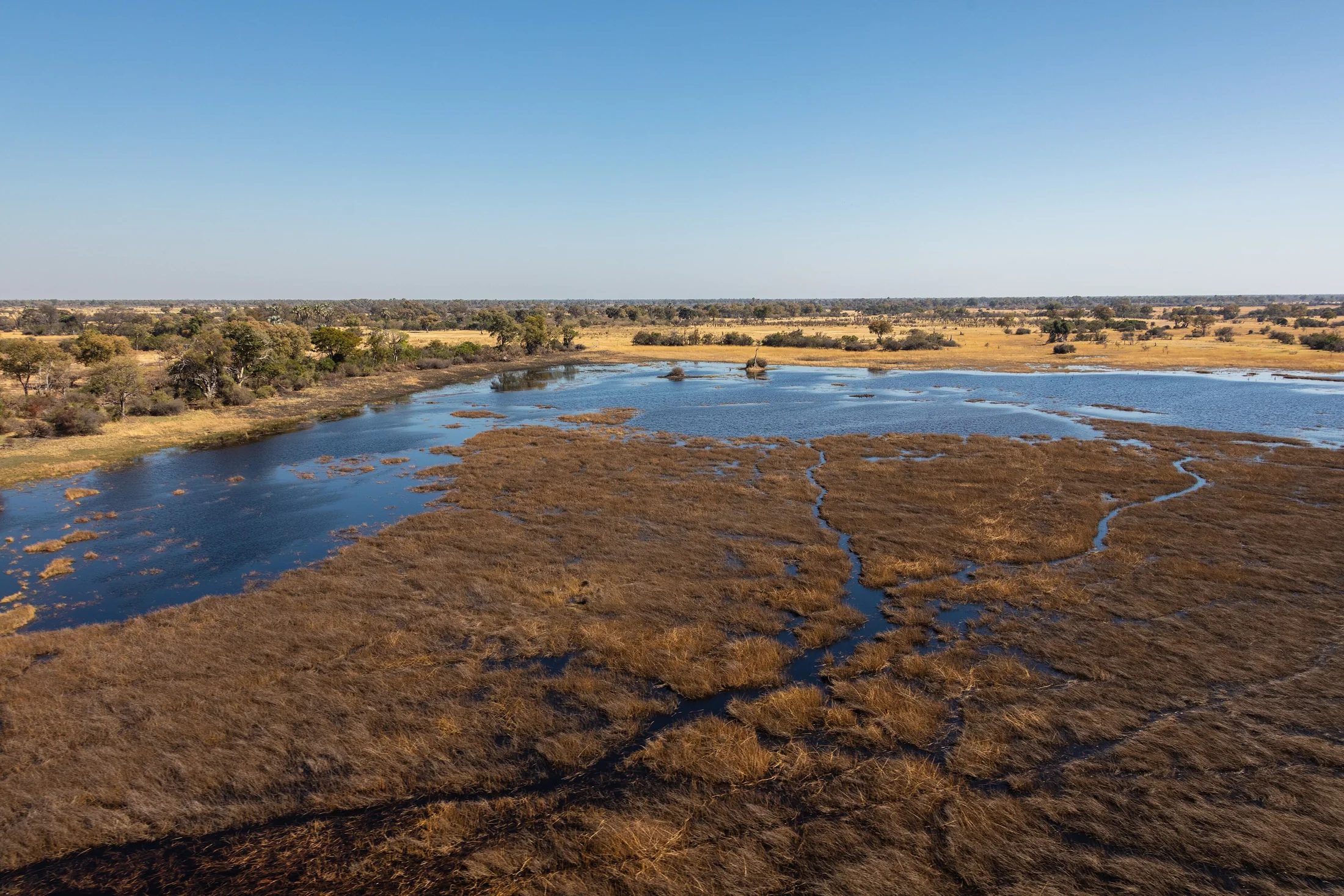
| Maun and the Okavango journey | Exact onward location and transfers | Where does the booked stay begin, and who handles the next connection? |
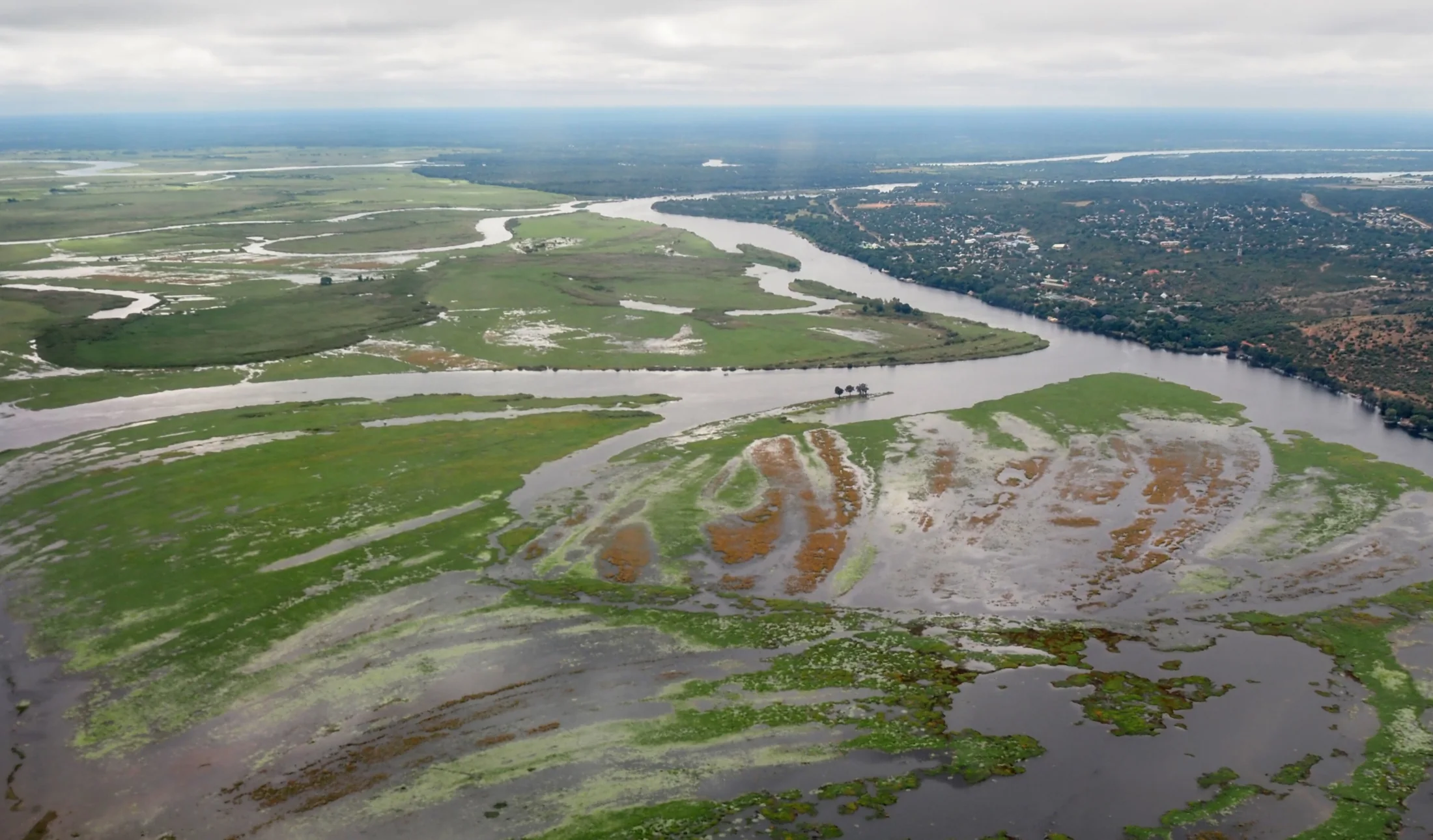
| Kasane and Chobe | Riverfront interests and regional movement | Is the activity meeting point at your accommodation or elsewhere? |
| A remote camp | The complete stay arrangement | Which access, meals, activities and support are included? |
Check the first and last day
Arrival and departure can be the most tightly connected parts of a stay. Confirm when you must be at the handover point and how much flexibility exists if a preceding service changes. Ask about luggage, check-in arrangements and the transfer after checkout. Keep the answers together so that one booking does not quietly depend on an assumption in another.
When different companies handle consecutive stages, establish who coordinates the connection. A clear written sequence helps both you and the people meeting you. Avoid filling every interval with a timed activity until these practical details are settled.
Explain the needs that affect your choice
Describe mobility, room access, dietary or other practical needs directly to the accommodation and activity provider. Ask for specific answers about the facilities and arrangements that matter to you. A broad label such as “accessible” or “family friendly” is not a substitute for those details. Keep sensitive personal information out of public review or comment forms.
- Confirm the actual route to the room and shared facilities.
- Clarify meal arrangements and any needs that require advance notice.
- Ask about power, charging and communications where these affect your plans.
- Read the cancellation and change terms for the exact rate being offered.
Keep the regional choice deliberate
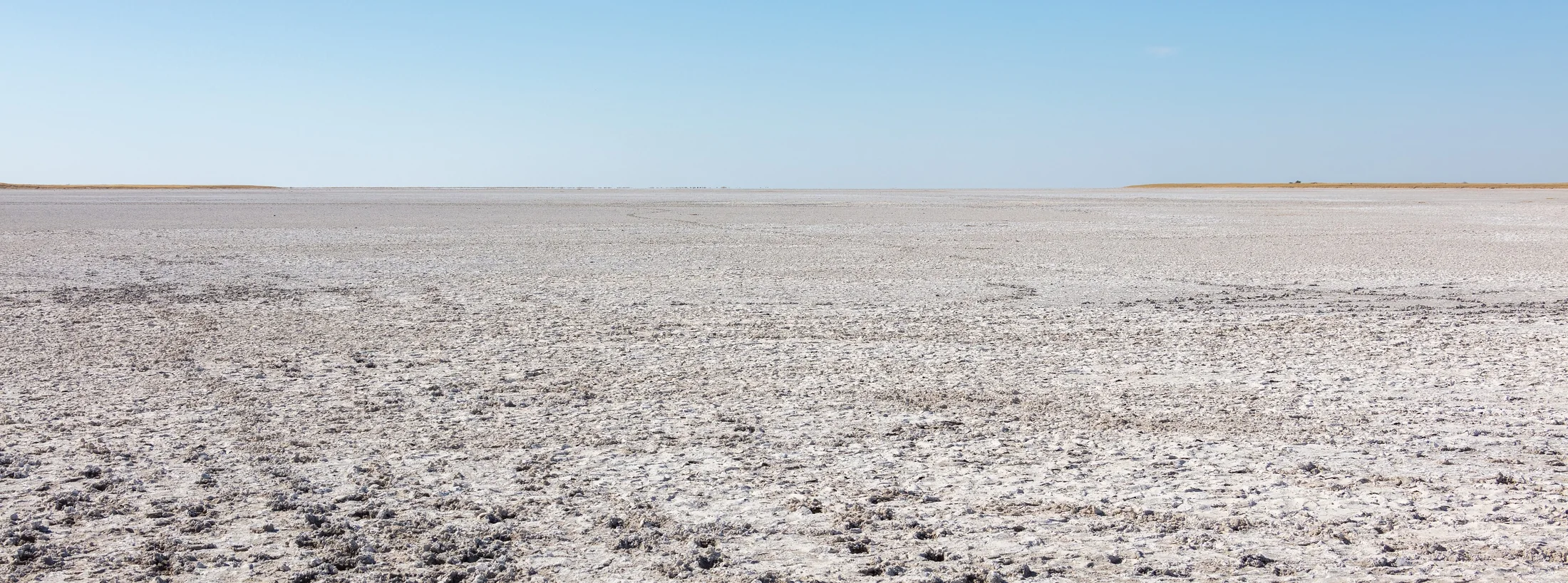
Use the Gaborone, Okavango, pans and drylands, and Chobe guides to decide which settings deserve your time. A good base supports that choice. It should not require a string of unplanned transfers to reach the experiences you actually want.
This site currently provides editorial accommodation guidance, not a live hotel inventory. We do not publish invented room availability, property ratings or rates. Confirm all offers, facilities and terms with the provider you choose.
Regional orientation: Botswana Tourism Organisation — Explore. The comparison questions are an editorial planning framework, not property endorsements.