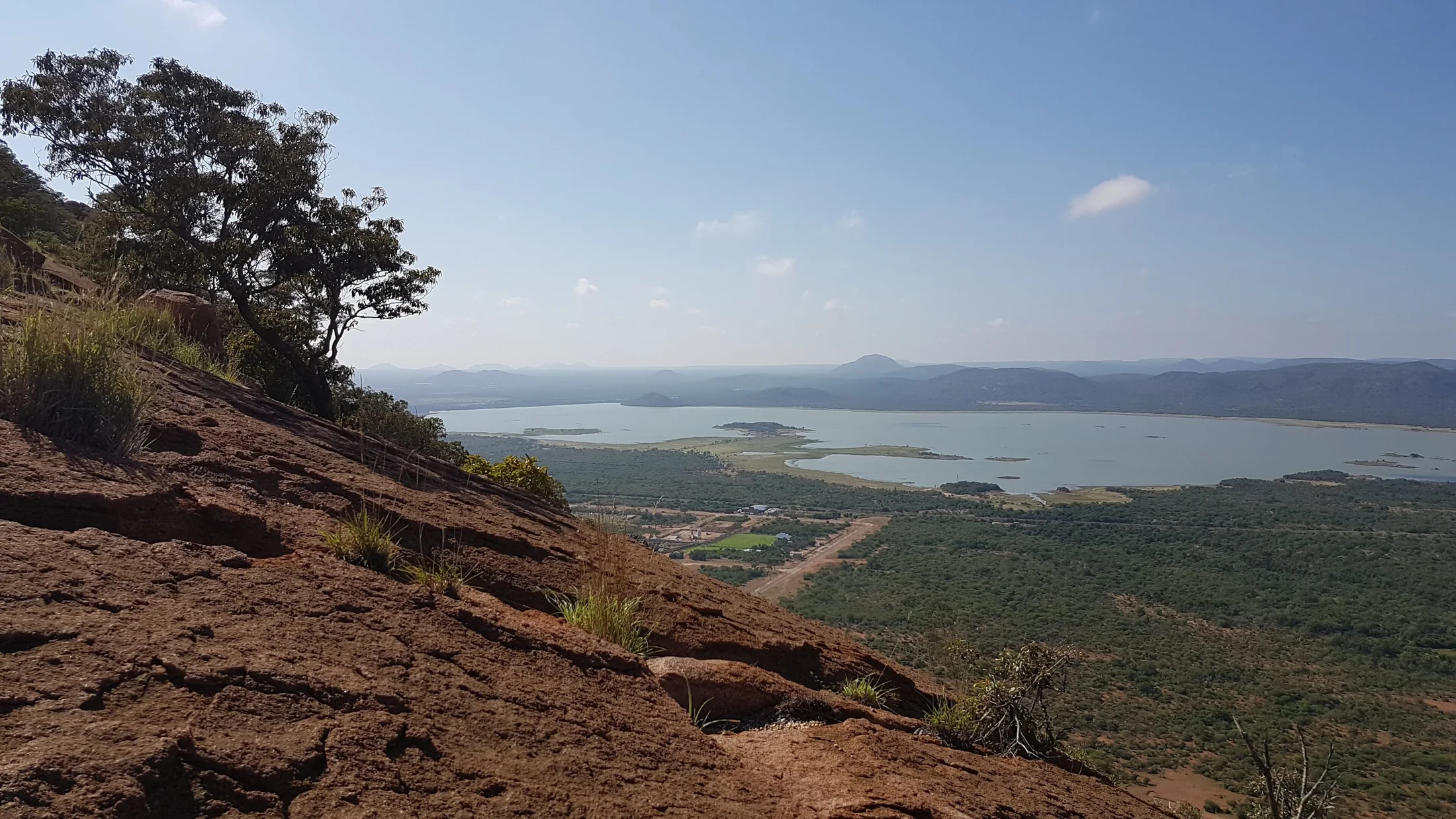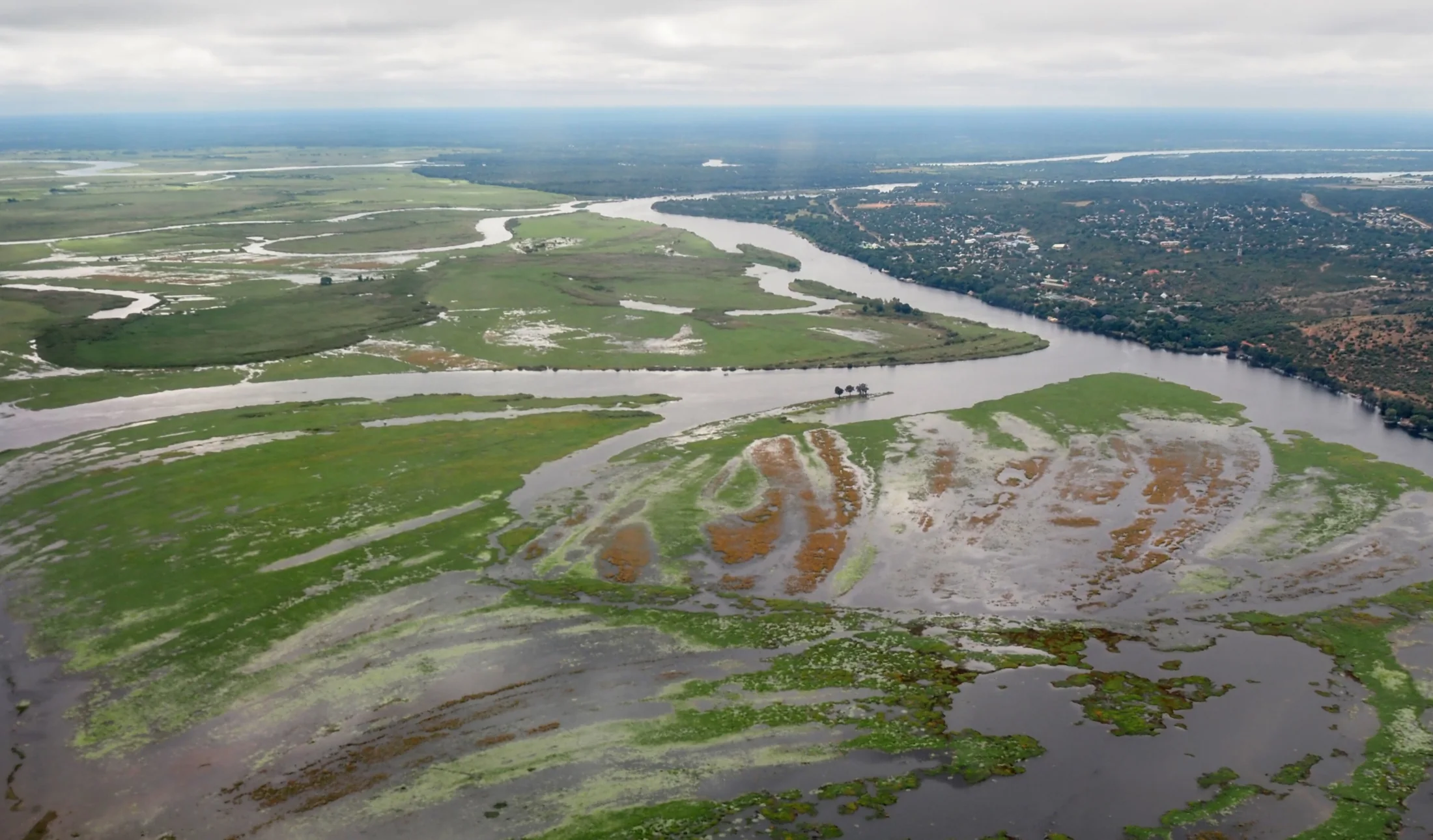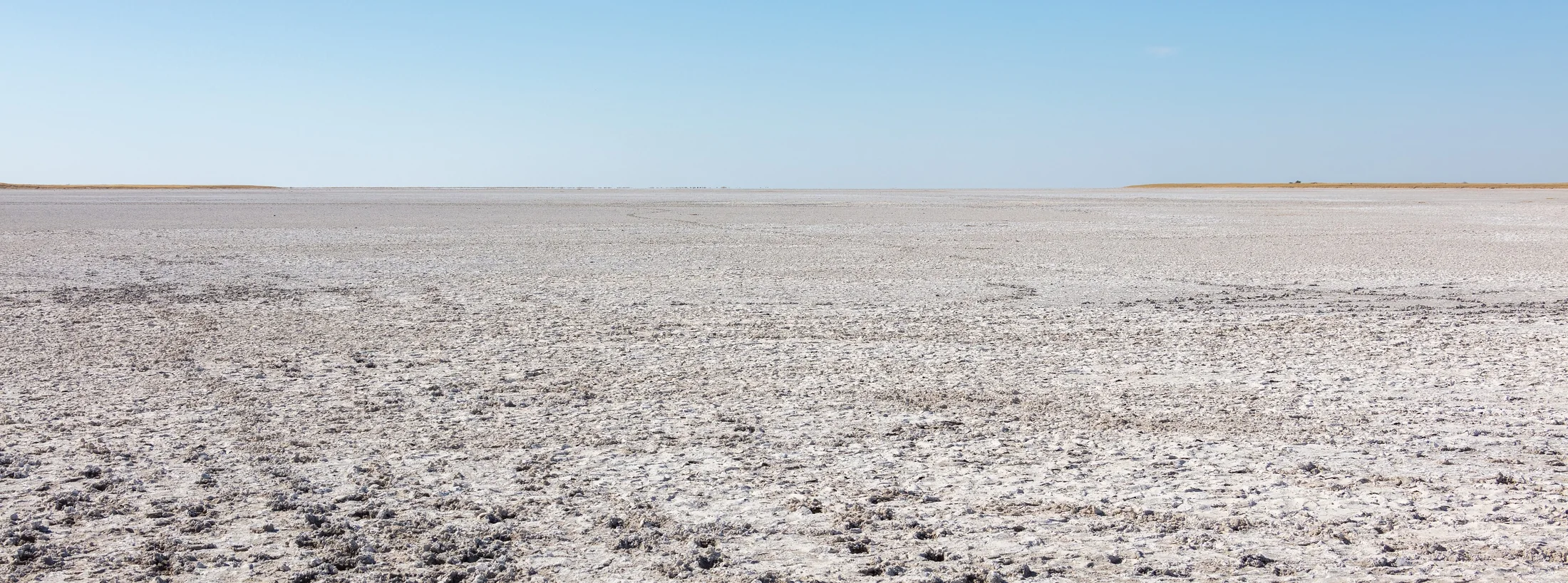
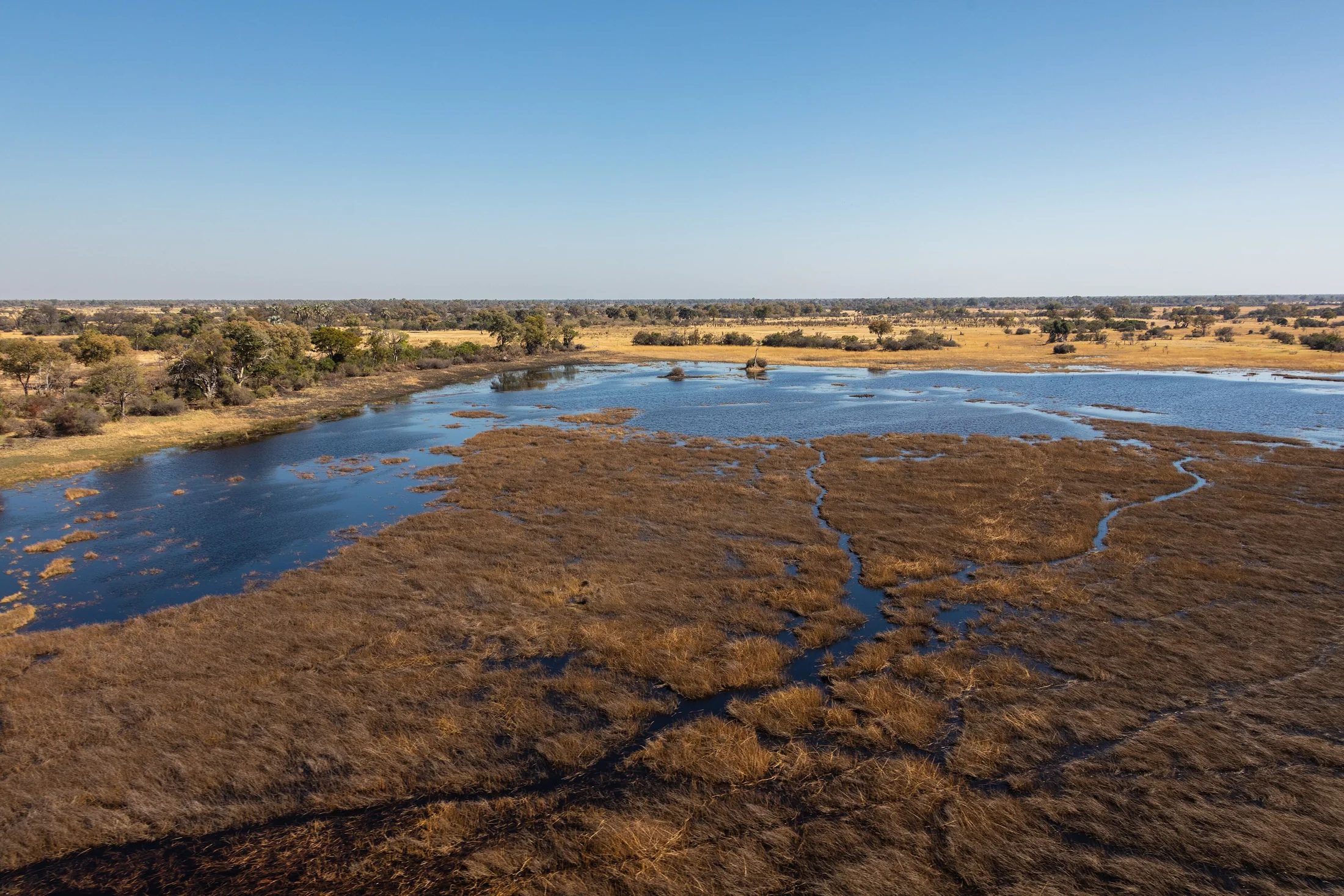
A place described as “in the Okavango” can offer a very different day from another place with the same broad label. Start by asking where you would actually stay, how you would arrive and which environments you would spend time in. These details tell you more than a list of familiar activities placed beside an aerial photograph.
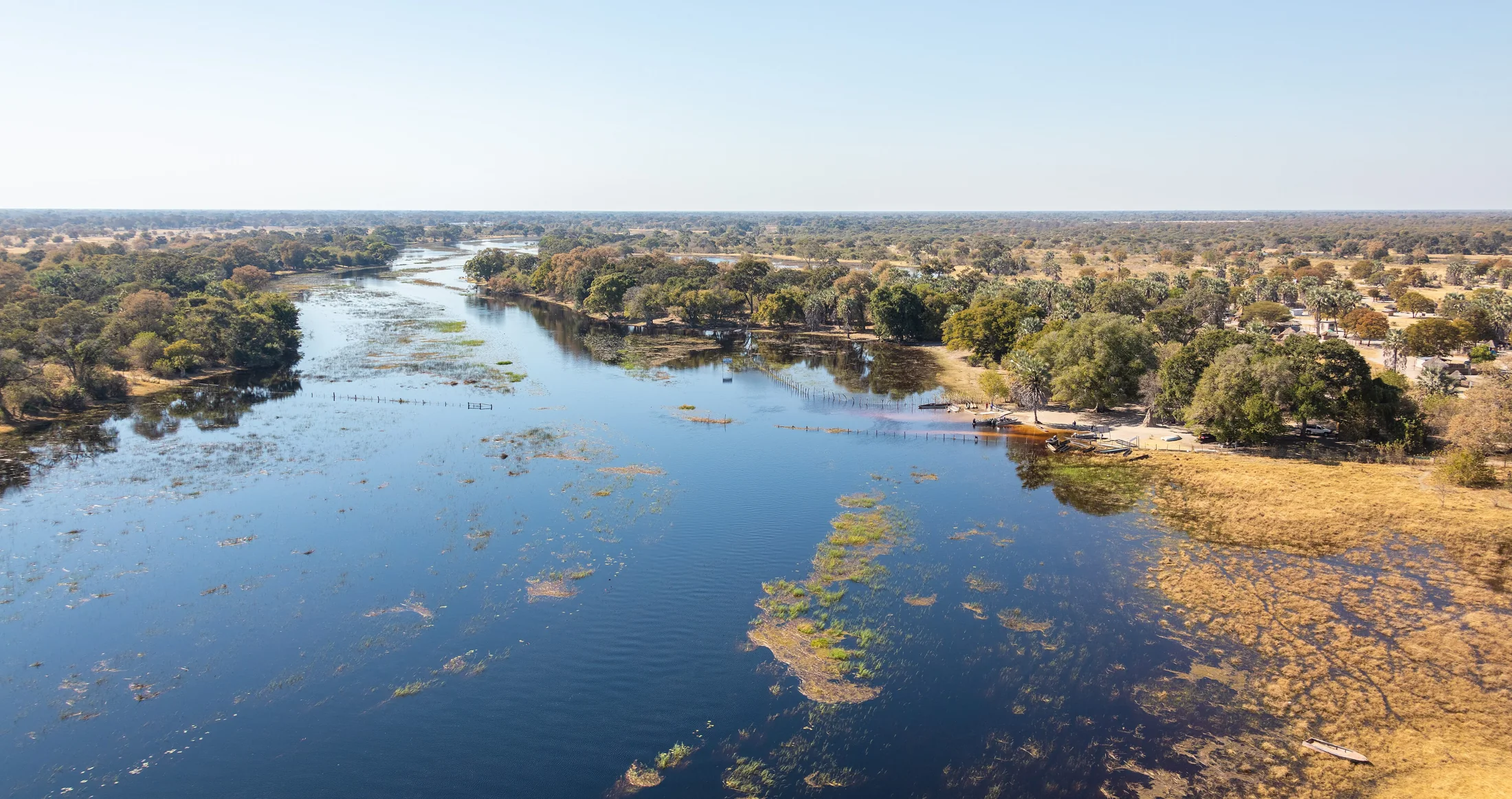
The Okavango Delta includes permanent wetland and seasonally flooded areas. UNESCO describes the unusual relationship between its flood pulse and the dry season in the surrounding region. Water, dry ground and vegetation form a changing landscape. A photograph records one moment in that system; it is not a timetable for the next visitor.
Choose the setting before the activity list
Look at the exact location of an overnight base and the access described by its provider. Some journeys centre on waterways, others on dryland areas, and some combine settings. An activity listed somewhere in the delta may not be available at every base or on every date. Ask which activities are included in your own arrangement and what conditions could change them.
- Water-focused time: ask about the actual route, craft, guide and boarding arrangements.
- Dryland time: ask which area is explored and how you reach it.
- A mixed stay: clarify how much time is spent changing locations or transferring between activities.
These are comparison questions, not a recommendation to favour one style. Your interests might be watching the landscape change, observing birds, learning from a guide, or spending a longer interval in one place. Name the interest first, then see which proposed arrangement supports it.
Read the transfer as part of the stay
Write each connection in order, including the handover point and the person responsible for it. A broad map view can conceal a complicated transfer. Confirm the luggage terms, the meeting instructions and what happens if an incoming connection is delayed. Keep a copy of the arrangements that can be read without relying on a signal.
If two stays are being combined, ask both providers to confirm the connection rather than assuming that similar descriptions make them neighbours. A shorter itinerary with a clear transfer can leave more time for the experiences you selected. Our base comparison guide helps turn these details into a practical shortlist.
Keep the encounter open-ended
Wildlife and water conditions cannot be promised by a photograph or an itinerary headline. Ask a guide to explain what is observable on the day and follow their directions around animals, channels and landing places. Let a distant sighting remain distant when that is the appropriate viewing position. Quiet attention can reveal changes in movement and habitat that a rush to collect sightings misses.
The delta is also a lived landscape. Where a visit involves a community or an individual host, establish who is organising it, who is being paid and what photography is welcome. Do not infer consent from a tour description or from someone else’s published images.
Compare complete arrangements
Keep a note of the location, transfers, included activities, meals, restrictions and cancellation terms for each option. Check the provider’s current information before booking. Browse Botswana tours for available descriptions, while retaining the exact place and practical questions as the centre of your comparison.
Landscape context: UNESCO — Okavango Delta. Photos show conditions in August 2018, not a forecast or a wildlife guarantee.